Home Monitoring · CGM

Your metabolism, in real time.

A blood test tells you your sugar this morning. A continuous glucose monitor tells you what your body does with every meal, every night, and every stressful afternoon for two weeks. For a lot of people, it's the first time their metabolism becomes visible.

HbA1c is an average. Averages hide the story.

Two people can have exactly the same HbA1c while one lives on a gentle, steady line and the other rides a rollercoaster of spikes and crashes all day. The average looks identical; what's happening inside is not. That's the gap a CGM fills — it replaces one number with a continuous picture.

A small sensor sits on the back of the upper arm, reads glucose in the fluid just under the skin every few minutes, and streams it to your phone. You wear it for about a fortnight, live normally, and at the end you have a detailed map of how your body actually responds to your life.
What it shows

Four things you simply can't see from a single blood draw.

Meals

How you respond to food

The same rice, roti or fruit affects two people very differently. You see your own curve — how high it climbs, how long it stays up, and how fast it settles.

Overnight

What happens while you sleep

Your fasting number at 8am is one dot. A CGM shows the whole night — the dips, the dawn rise, and whether late dinners are keeping you elevated.

Stress & movement

The non-food drivers

Poor sleep, a stressful meeting and illness push glucose up without a single bite. A ten-minute walk after eating can visibly flatten a spike.

Stability

Time in range & variability

Beyond the average: how much of the day you spend in a healthy band, and how choppy the line is. Stability matters, not just the mean.

How a wear works

Two weeks, start to insight.

Apply the sensor

A small applicator places it on the back of the upper arm in seconds. Most people describe it as a flick rather than a needle, and it stays on through showers, workouts and sleep.

Live normally — that's the point

Don't eat "well" for the sensor. The value comes from seeing your real life, including the dosa breakfast, the late dinner and the bad night's sleep.

Log a little

Meals, workouts, stress, sleep. Even rough notes turn a squiggly line into cause and effect.

Run some gentle experiments

Same meal with and without a walk after. Rice alone versus rice with protein and vegetables. Small tests teach more than any generic diet chart.

Review it with a doctor

At the end you have a two-week report. What it means — and what to change — is a conversation with a clinician, not an app notification.

Who it suits

Especially useful if you're in one of these situations.

Prediabetes or family history

Where risk is real but a diagnosis hasn't landed — India's diabetes burden makes this the single most useful window for many people.

Diabetes management

For people already diagnosed, CGM is standard, powerful care under a doctor's guidance — the clinical use it was built for.

PCOS & insulin resistance

Where insulin is driving the picture, seeing the response to real meals often explains far more than a single fasting number.

Stubborn weight or energy crashes

The 4pm slump, the post-lunch fog, the cravings — often visible as a pattern once you can see the curve.

Athletes & fuelling

Understanding fuelling, training response and recovery, especially for endurance work. See performance testing →

Anyone simply curious

Two weeks of data changes habits more than years of advice. Just go in knowing what it can and can't tell you.

The honest part

What a CGM is not.

It's not a diagnosis

A CGM doesn't diagnose diabetes. Diagnosis rests on standard blood testing and a doctor's judgment.

It reads fluid, not blood

Sensor glucose lags actual blood glucose by several minutes and can drift, especially during rapid changes — so it's a trend tool.

Spikes aren't automatically bad

Glucose rising after a meal is normal physiology. Chasing a perfectly flat line can tip into anxious, restrictive eating.

Two weeks isn't forever

It's a snapshot of a fortnight. Illness, travel or an unusual period can skew what you see.

Data isn't insight

Without a clinician's read, it's easy to draw the wrong conclusion and cut out foods you didn't need to.

Not for everyone

If you have a history of disordered eating, constant food-and-number monitoring can do more harm than good. Discuss it honestly with a doctor first.

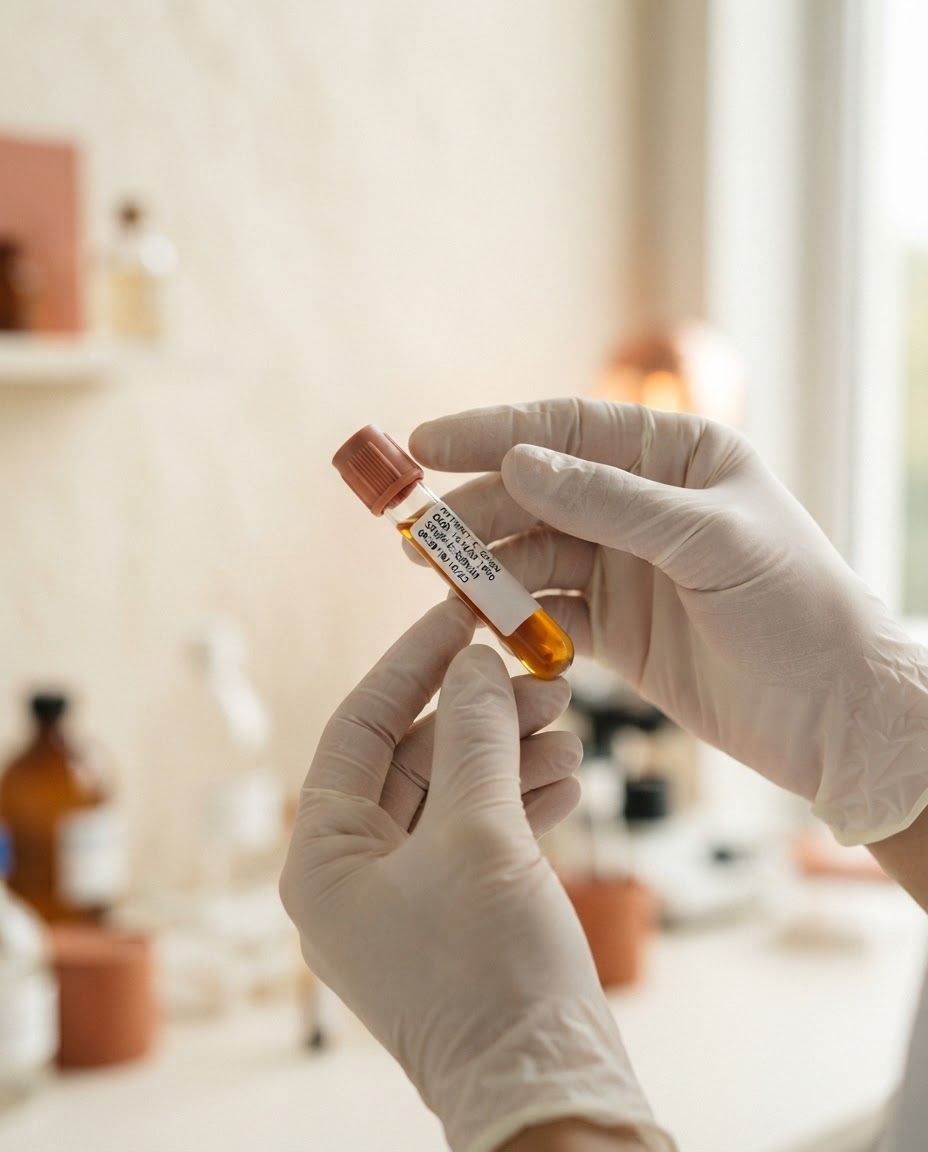
A blood sample being handled
Pair it properly

A CGM is better with bloods beside it.

Fasting insulin, HbA1c, a lipid and liver picture, and thyroid markers turn two weeks of curves into a real metabolic assessment. The sensor shows the behaviour; the bloods show the machinery.

See the Testing Library →
Educational only. A doctor decides. Some CGM systems are available over the counter and others are prescription devices, depending on the product and where you are. DrFuncKey does not sell, supply, fit or interpret CGMs, and nothing here is medical advice. Whether a CGM is appropriate for you, and what your data means, should be decided with an independent registered medical practitioner — particularly if you take insulin or other glucose-lowering medication, where treatment must never be adjusted on sensor readings alone.

Curious what your own curve looks like?

Tell us what you're trying to understand. We'll explain how a CGM wear works and connect you with a doctor who can decide if it's worth doing and read it with you.

Message us on WhatsApp
Chat with us